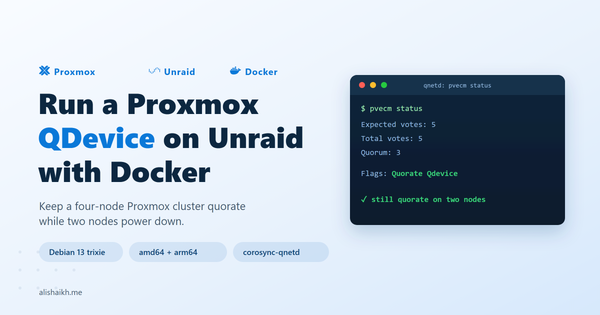
Run a Proxmox QDevice on Unraid with Docker
Shut down half a four-node Proxmox cluster without losing quorum, using a corosync QDevice built with Docker and hosted on Unraid.

Shut down half a four-node Proxmox cluster without losing quorum, using a corosync QDevice built with Docker and hosted on Unraid.
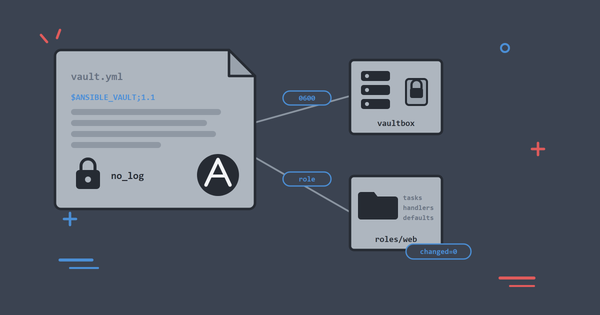
Encrypt secrets with Ansible Vault and keep them out of logs, refactor playbooks into a role, lean on lint and CI, and name what actually changes when this becomes real infrastructure.
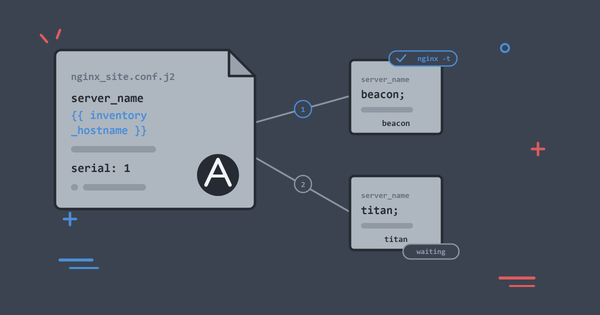
Render per-host configuration from Jinja2 templates, validate it before the service reloads into it, and roll the change across a fleet one host at a time with serial.
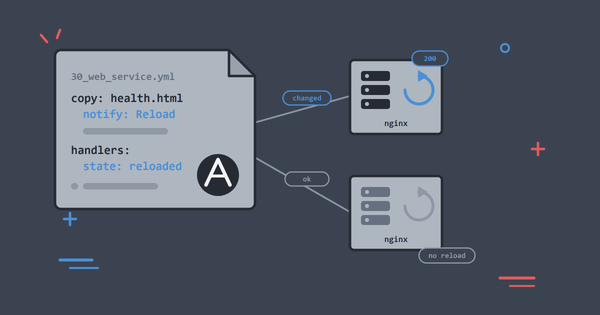
Install nginx, deploy a page and meet handlers: the Ansible mechanism that reloads a service only when something actually changed, with a health check that fails the run when the service does not answer, verified against real systemd.
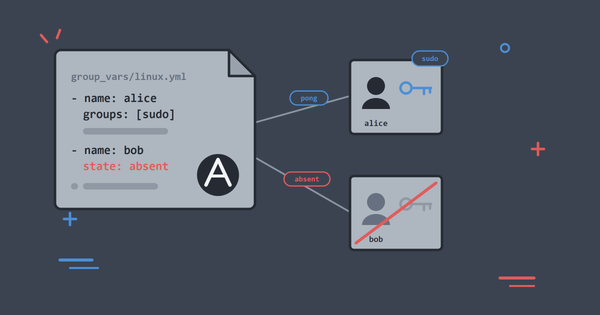
Onboard and offboard users across a group of Linux servers with one playbook: accounts, SSH keys and sudo rules defined as data, applied with loops and validated before they land.
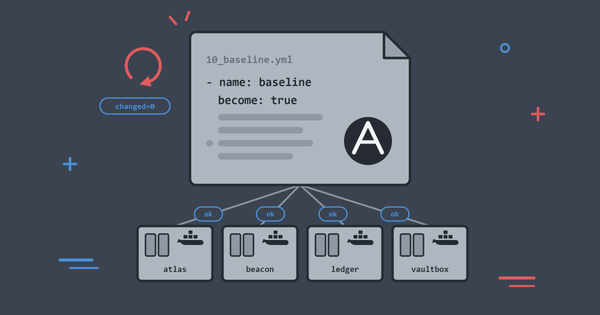
Turn ad-hoc commands into a repeatable playbook that brings Linux servers to a known baseline, with check mode, diff mode and idempotence explained properly.
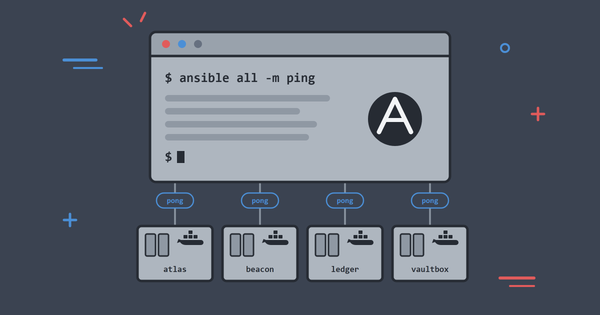
Learn how Ansible decides which hosts to manage, how to run ad-hoc commands against groups, and how to use facts to answer real operational questions.
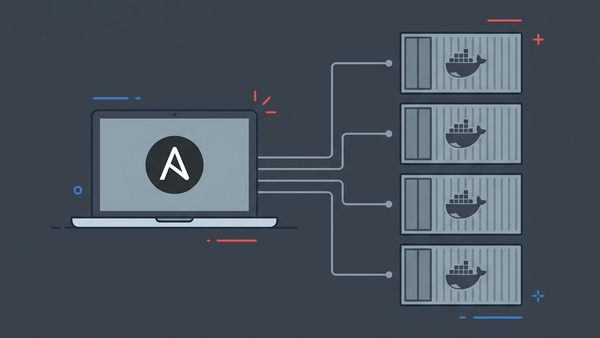
Learn how to build a local, multi-host Ansible practice lab using Docker in under 10 minutes. Perfect for Windows, macOS, or Linux. No heavy VMs required.
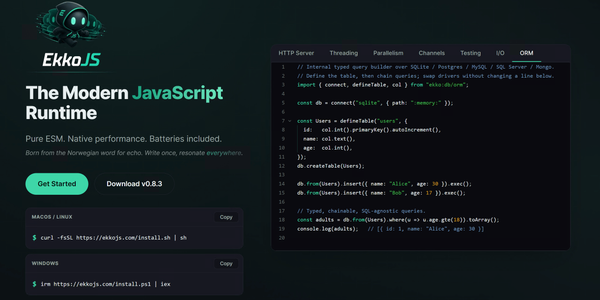
EkkoJS is a JavaScript and TypeScript runtime that trades backward compatibility for a cleaner slate. No CommonJS, no node_modules, no URL imports. This is a hands-on introduction covering the architecture, the permission model, and a working S3 demo built entirely from built-in modules.
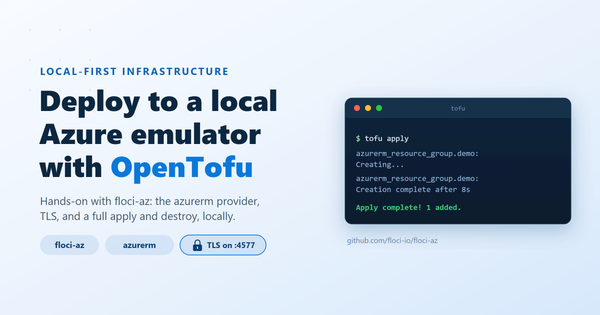
A practical walkthrough of running the OpenTofu azurerm provider against floci-az, including TLS, certificate trust, provider discovery, version notes, and what local Azure testing can and cannot prove.
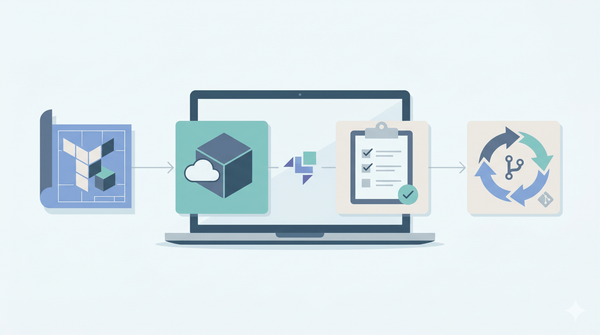
Provision the LocalStack stack from Parts 1-7 with Terraform, apply it with tflocal, and run integration tests in GitHub Actions CI. The capstone turns the series into a repeatable, tested workflow.
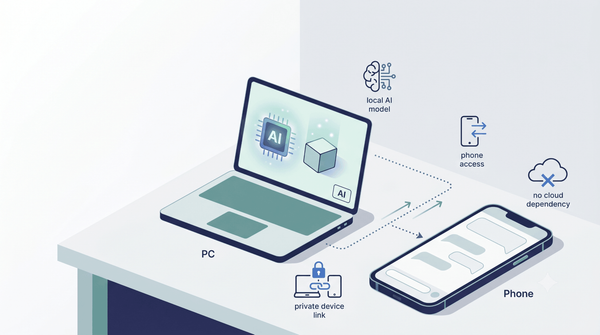
Run an AI model on your home PC or homelab with LM Studio, connect it with LM Link, and use it from an iPhone, iPad, laptop, or work PC without opening ports.